@Fuqua
Projects, team wins, and moments from my MBA at Duke Fuqua.
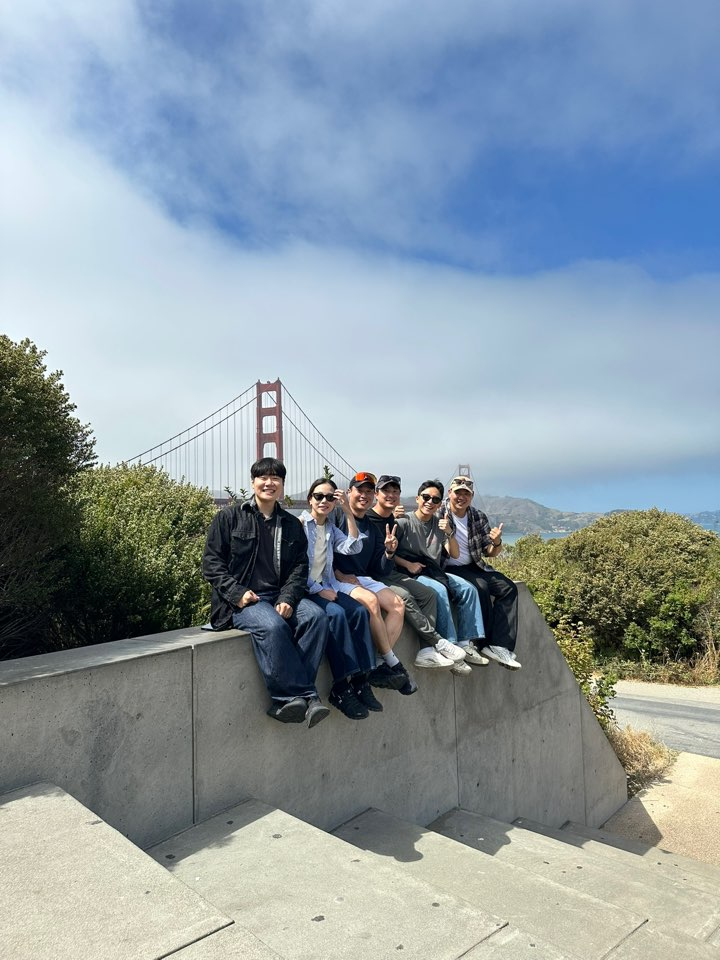
After Summer Term wrapped up, a group of us, first-years and second-years, put together our own tech trek to the Bay Area. We met 20+ people across Big Tech and startups during the trip, Duke Fuqua alumni and first-time connections alike, and came away with advice that was genuinely valuable.
A few takeaways from the tech trek:
What do I actually want?
It's easy to keep sprinting through a busy MBA schedule without stopping to ask this. This trip gave me the space to picture where I want to be in the next two years and beyond, and that made the path feel more real.
Surviving the AI era
Things are moving fast. Building AI-powered products, using AI in daily work, and staying on top of new developments feel like the baseline skills to keep up going forward.
Bias toward building, not just thinking
AI has lowered the barrier to building software so much. I want to keep shipping side projects and writing down what I learn along the way. Actually building something for Fuqua students right now, more on that soon.
Share your thinking, consistently
I've been writing on my Medium blog and LinkedIn, but I need to do it more often. Writing things out helps me think more clearly, and it's also how new connections happen. (I should move my content from Medium to Substack!)
English is a never-ending project
Even living and studying in the US, my English still has plenty of room to grow. Competing here as a non-native speaker means I can't let up on this.
Huge thanks to everyone who supported us and shared their advice so generously. I'll be back in the Bay Area often, and would love to meet more people there, alumni, MBA classmates, and future Fuqua students alike. Always happy to be introduced to anyone in your network.
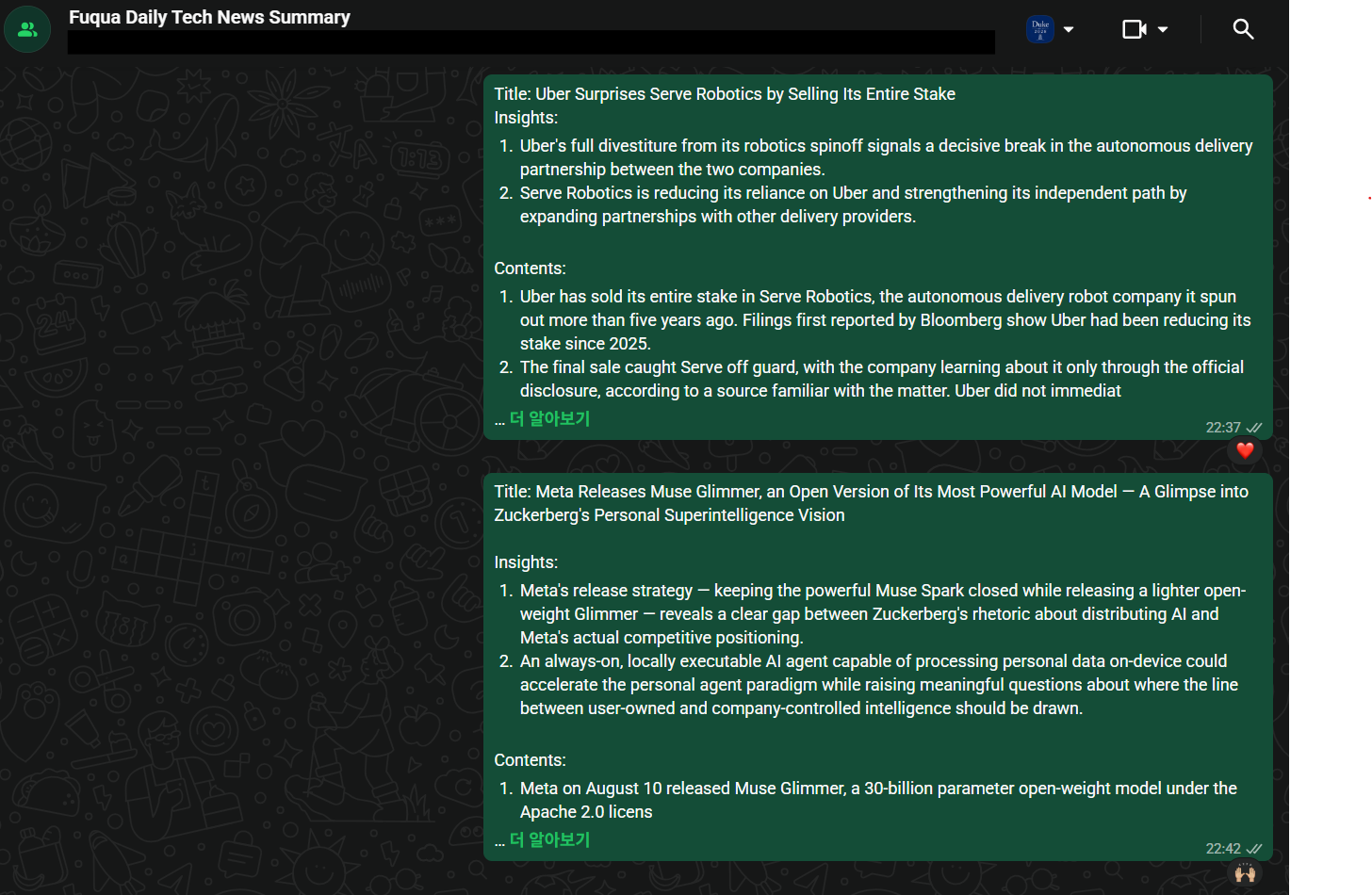
Every morning before class, I break down the one tech story that actually matters. 150+ Fuqua MBAs read it.
Phase 1: The Gap I Saw
Most of my classmates come from finance, consulting, or ops backgrounds, not tech. Every day there's a flood of AI, robotics, and Big Tech headlines from TechCrunch, Bloomberg Tech, WSJ Tech, and The Robot Report, but no time (or context) to figure out which ones actually matter for business. I started reading all four every morning anyway, out of habit from my PwC days. I just started sharing what I found.
Phase 2: Curate, Don't Report
I don't summarize everything. I pick one or two stories, explain what happened, and more importantly, why it matters for business, strategy, or the industries we're studying. No jargon, no hype. Just enough context so someone with zero tech background can follow the conversation at lunch.
That's the value. Not the headline itself, but knowing why it's worth caring about.
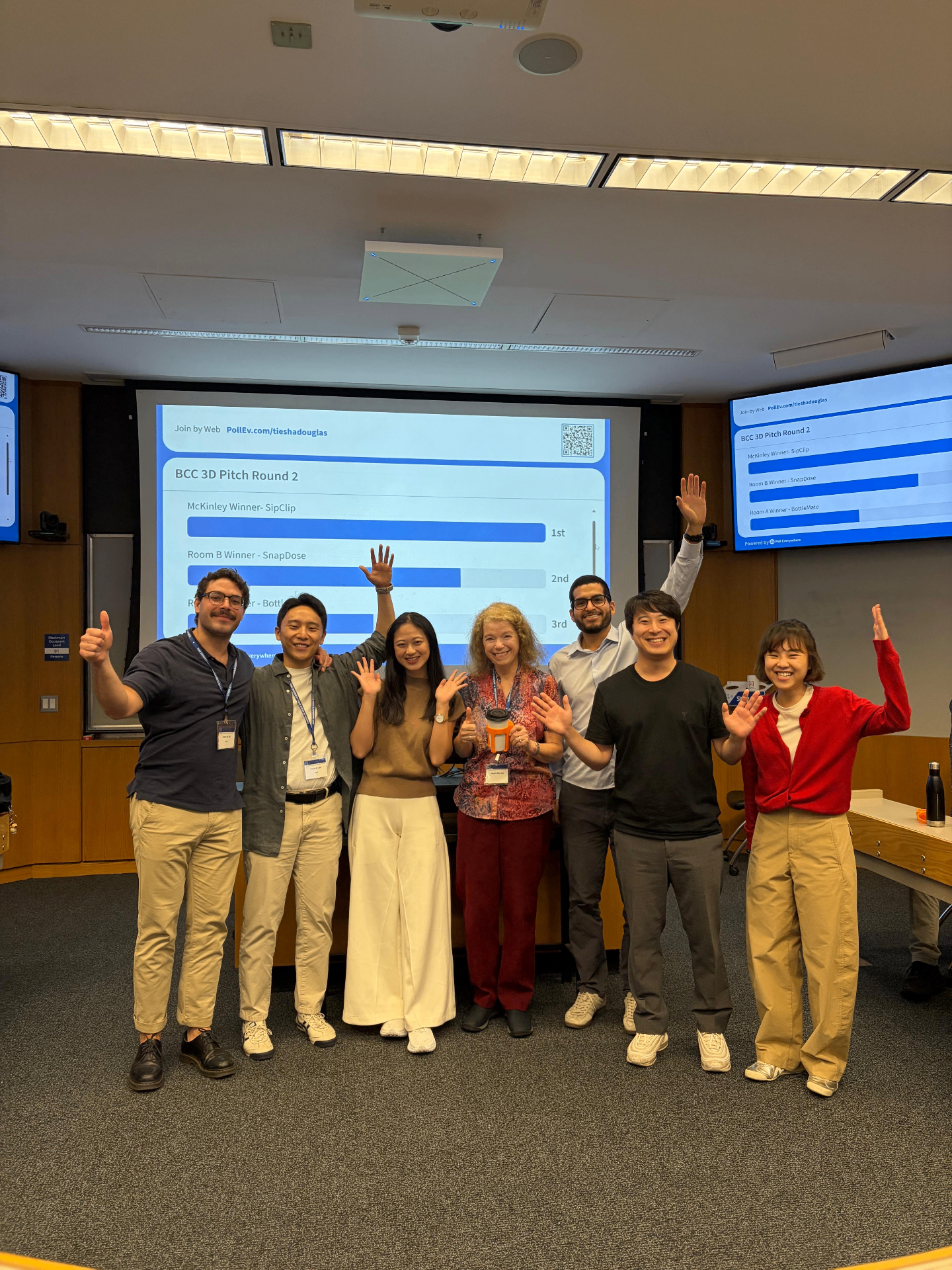
Our team of 6 had 48 hours to design, print, and pitch anything.
Phase 1: Decide, Don't Debate
We started with a detachable heel for open-toe sandals. Sounded clever, until we held the prototype. No one would actually buy this. We killed it, pivoted to a foldable clip-on cup holder, and moved on. The ideation was messy: six people, strong opinions, a whiteboard full of pros and cons. But endless discussion is just another way to avoid commitment. We made the call and shifted all our energy to execution.
Phase 2: Capture the Need, Then Make the Case
Most teams led with market sizing and financial projections. We did that work too, but kept it in the background. In the room, we made one bet: if the audience doesn't feel the problem, the numbers don't matter. So we opened with the product itself, let people hold it, and made them want it before we told them why it made sense.
That's what won. Not the spreadsheet: the moment someone thought, "I'd actually use this."